
Therapy supports you in grieving the life you lost so you can live the life you have.

Its happening again…
It's 9:02 am and you have an interview for a job you have been hoping for but instead of excitement all you feel is paralyzing fear.
Now its 5:30 you just walked in the door and your partner points out the dishes are still in the sink, a task you had said you would get done this morning, you feel an overwhelming sense of rage and frustration and yell at them.
If this situation is familiar, we are here to say that you are not alone or being dramatic. These experiences from time to time are perfectly normal, life is hard and chaotic. But if you are noticing a pattern of these experiences, then you have come to the right place, as these are symptoms of unhealed traumatic stress.
One of the hardest parts about living with unhealed trauma, is the constant feeling that we do not belong with others.
Do you ever find yourself snapping at someone you love, or shutting down when you wish you could be present? Maybe you feel anxious, on edge, or ashamed for not “moving on” after painful experiences. Perhaps you’ve tried to push forward, but shame, fear, or disconnection keep pulling you back. Trauma can leave us stuck in survival mode—always bracing for what might go wrong. But here’s the truth: you’re not broken. You’re surviving. And healing is possible.
Trauma can make us feel damaged, different, and broken. So many of us blame ourselves for the unfortunate events that have negatively impacted our lives. Trauma doesn’t just live in the past—it lingers in the body and nervous system.
We have felt that terrifying experience of being trapped, stuck, lost, helpless, and powerless. We have been walking on in our own healing journey for many years and utilize our experience to help others heal. This pattern that you have lived with for years can be shifted, changed, and healed.
If this feels familiar, you’re not broken—and you don’t have to face it alone.

“Trauma often traps people in the past, to understand what happened, or the future, to prevent more pain. ”
Signs of TRAUMA
Feeling stuck in fight, flight, freeze, or fawn
Overreacting or shutting down during everyday stress
Shame, guilt, or self-blame about past experiences
Feeling unsafe, on edge, or disconnected from your body
Struggling to trust, form, or sustain relationships
Using unhealthy coping strategies to numb the pain
Understanding Trauma
Trauma isn’t only the “big” events. Yes, it can come from assaults, disasters, or violence—but it also emerges from quieter wounds like childhood neglect, bullying, rejection, systemic oppression, or the slow ache of abandonment.
No matter the size, trauma can leave the same imprint: a nervous system stuck in survival mode.
If you’ve ever wondered, “Is my pain bad enough?” the answer is YES. If it hurts, it matters.


One of the most profound aspects of psychodynamic therapy is learning how our early coping strategies and patterns continue to shape our lives. Many of us grew up in environments where expressing certain emotions was not safe.
Maybe we learned that anger, sadness, or vulnerability led to rejection, so we suppressed it. Perhaps our needs were overlooked, leading us to believe that the only way to be loved was to accommodate others at the expense of ourselves, so we became emotionally guarded.
These adaptations were not failures, because they kept us safe. However, coping mechanisms work until they don’t. These subconscious protective patterns we develop in childhood often follow us into adulthood because they worked well-enough to keep us safe.
Breaking maladaptive patterns is an important step towards deeper healing
Psychodynamic therapy provides the space to identify these patterns and understand their origins. This process is not about blaming the past but about recognizing its influence. Once we see the ways our history has shaped our present, we gain the power to choose differently.
However, breaking long-held coping strategies can be difficult and scary.
Breaking patterns means stepping into discomfort and sitting with emotions that we avoided for years. This means recognizing and accepting parts of ourselves that we may be ashamed of.
Perfectionism, people-pleasing, self-isolation, and emotional detachment are just some examples of these strategies and not fundamental flaws within us. When these strategies no longer serve a healthy function, it is time to change them.
In therapy, we don’t just tear these defenses down. We explore them. We understand them. And when you are ready, we find new ways of being—ones that align with who you truly are, not just who you had to be.
“Over time, previously adaptive coping mechanisms can become maladaptive, which leads to a disconnection with intimacy, lower self-worth, and less personal fulfillment.”
The Role of Connection
True healing goes beyond intellectual understanding, it requires emotional integration. We need to this to experience what has long been buried. Many people come to therapy believing that simply understanding their pain means they can move past it.
While insight is an important first step, emotional healing demands more than simply knowing why we feel a certain way. It requires experiencing those emotions in a way that is safe and supported. This is why the therapeutic relationship is so important.
In psychodynamic therapy, the therapist-client relationship becomes a space where old wounds are not just acknowledged but actively worked through in real time.
If trust was broken in the past, therapy offers the possibility of experiencing a relationship where trust can be rebuilt.
If vulnerability once led to rejection, therapy provides a space where vulnerability is met with acceptance and understanding.
Through this process, we learn to understand, tolerate, and express our emotions in healthier ways. Many of us have spent years avoiding uncomfortable emotions like anger, sadness, or grief.
In therapy, we learn that emotions are not dangerous. Instead, emotions are simply signals, guiding us toward what needs attention. As we build emotional resilience, we begin to experience emotions as they arise, rather than pushing them away or feeling consumed by them. Over time, this shift allows us to engage with life with awareness, authenticity, and choice.
True healing occurs in safe and secure connection with others.
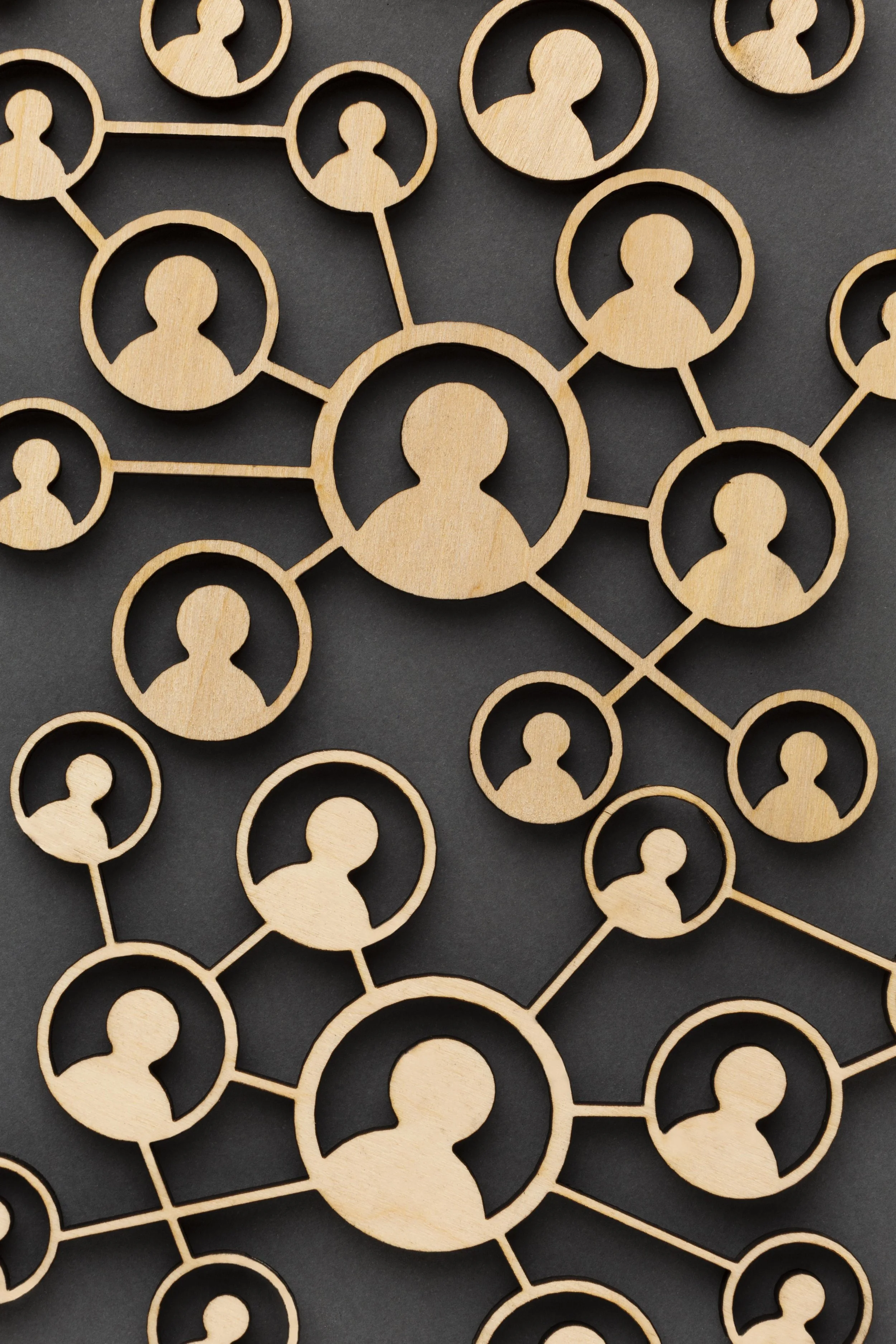

Trauma takes away our choice. Healing, requires finding our ability to choose again.
The Power of Choice
Healing is not about becoming someone new but about returning to yourself fully, wholly, and with the freedom to choose the life you want to live.
Many of us move through life on autopilot or stuck in survival mode. We may find ourselves reacting rather than responding, caught in patterns we don’t even realize are shaping our decisions. Psychodynamic therapy helps us step out of these unconscious cycles and into awareness.
This awareness can help us embody our internal strength. This strength allows us to set boundaries where none existed, to engage in relationships that nourish rather than deplete, and listen to our own needs instead of prioritizing the expectations of others.
This is what true empowerment looks like. Not forcing ourselves to be different but allowing ourselves to be who we truly are.

Who We Work With
Survivors of sexual assault, abuse, or interpersonal violence
Adults healing from childhood neglect or abandonment
Individuals carrying intergenerational or cultural trauma
LGBTQIA+ and BIPOC clients navigating systemic oppression
People living with chronic anxiety, depression, or suicidal thoughts
Those processing medical trauma, accidents, or natural disasters
Start Your Healing Journey
Healing from trauma is not about quick fixes—it’s about steady, embodied change. Our team of trauma-informed therapists is here to walk with you, at your pace.
When you start your healing journey with us, you are walking with an experienced guide. It is our desire to help you break through shame, trauma, and unhealthy coping strategy cycles that leave you feeling trapped, stuck, or powerless. This experience of being powerless is often what perpetuates unhealthy coping strategies. Trauma inherently forces us to feel powerless due to the severity or intensity of the situation.
This experience does not need to be your normal way of life anymore. Our approach to therapy starts with a focus on empowerment. I want to empower you to utilize healthy anger or life force energy to set strong boundaries and to treat yourself with the love and respect you deserve.
This process of empowerment, combined with a strong feeling of safety, will allow you to face the trauma that has been haunting you. It is my deep belief that trauma steals our voice and power. It takes years from our life. Through therapy, our wish is that you will find your voice and embody the strength and wisdom that lies within you.
Our hope is simple: That no one has to carry trauma alone, and that healing becomes a legacy passed from one generation to the next.
- Dr. Nick Monzon, Founder
“
WHY WORK WITH ITC

What does our Trauma Therapy look like
A slow, body-based process that honors your limits
Tools for regulation and grounding before diving deeper
Space to explore early wounds and patterns without judgment
A therapist who walks beside you, not ahead of you
Small shifts over time that build capacity for joy, intimacy, and choice

Feeling safer in your own body.
Releasing shame and reclaiming your voice.
Stronger boundaries and healthier relationships.
Freedom from old cycles of numbing or collapse.
More capacity for joy, creativity, and rest.
A sense of belonging—to yourself and with others
What Healing Can Bring
Our 4 Branches of Care
At ITC, we know healing isn’t one-size-fits-all.
We offer four interconnected pathways, so you can find the support that meets you where you are.
-

Traditional Therapy (Telehealth & In Person for CA Residents)
Compassionate, somatically grounded therapy for individuals, couples, and families. Our clinicians specialize in trauma recovery, sexual trauma, relational healing, and intergenerational repair.
Individual • Couples • Family • Integrative EMDR • Somatic Experiencing
-

Coaching & Wellness (Worldwide)
Trauma-informed yoga, nervous system education, breathwork, and somatic coaching. These offerings create accessible, non-clinical spaces for regulation, embodiment, and spiritual connection.
Somatic Coaching • Yoga & Breathwork • Psychedelic Integration
-

Groups, Workshops & Retreats (Scheduled)
Practical and engaging trainings for schools, parents, and community groups. From nervous system education to burnout prevention, we equip communities with tools that support both children and adults.
-

Corporate Development & Consultation
Leadership programs and organizational wellness consultations. We help businesses and teams address burnout, strengthen communication, and create cultures where both productivity and people can thrive.
If You’re in Crisis
If you’re in immediate crisis, please call or text 988 (Suicide & Crisis Lifeline) or go to your nearest emergency room.